
How to Choose the Right Sober Living Home (Without Losing Your Sanity or Your Socks)
So, you (or someone you love) just finished a rehab program. First of all, congratulations. That’s no small feat.
But now comes the following question: Where do you go from here? Back to your old neighborhood, where the guy on the corner knows your dealer’s birthday? Or straight into an apartment where the only “support group” is the pizza delivery guy who shows up at midnight? Probably not ideal.
That’s where the magic of a sober living house comes in. Nestled in that sweet, elusive space between inpatient treatment programs and full-blown independent living, sober homes offer a structured, supportive environment that helps bridge the gap between detox and “doing life.” But choosing the right sober living home is more than just scrolling through a few listings and picking one that offers cable TV. You’re building a solid foundation for long-term recovery, and that means doing your homework.
Let’s take the guesswork and stress out of the decision.
Not All Sober Homes Are Created Equal
Let’s start with some real talk. There are sober living facilities out there that feel more like college dorms run by former drill sergeants. And then some feel like a sanctuary, clean, calm, full of laughter, group dinners, house meetings, and the occasional heated debate about who left dishes in the sink. (Spoiler: It was Brad. It’s always Brad.)
The key differences between sober homes usually boil down to structure, staff, services, and vibe. Some homes offer high accountability and a structured environment with daily routines, drug screenings, mandatory 12-step meetings, and a house manager who doesn’t miss a thing. Others are more laid-back, offering peer support and a community atmosphere while trusting residents to self-manage their own needs. Your individual needs and where you are in your recovery journey should guide you in determining which one feels like the right home.
The Benefits of Sober Living Homes (a.k.a. Why Not Just Go It Alone?)
You just did 30, 60, maybe 90 days in a rehab center. You’ve got your Big Book, a newfound love of black coffee, and the best tan of your life thanks to all those outdoor group activities. So why not jump straight into independent living?
Because your brain and body are still recalibrating, and the recovery process doesn’t end when you leave the treatment center, it continues to evolve. Numerous studies have shown that individuals who transition into sober living options, especially ones with supportive recovery programs and house rules, have significantly higher odds of achieving long-term sobriety. The sober living environment gives you something your old apartment can’t: a drug-free environment filled with people who get it.
You’ll find built-in support groups, ongoing group therapy sessions, scheduled 12-step programs, and that magical blend of camaraderie and accountability that keeps you showing up. The benefits of sober living homes also include developing real-world life skills, such as managing personal expenses and avoiding impulsive behavior.
Understanding the Types of Sober Living Facilities
In the great galaxy of sober living options, you’ve got your classic Oxford Houses, government-supported halfway houses, and your boutique-style recovery residences that look like something out of an HGTV show.
Let’s break down the different types of sober living homes floating around the United States:
Oxford Houses are peer-run, with no paid staff, and emphasize democratic decision-making and shared responsibilities. These places often attract people further along in their recovery journey who are ready for a bit more autonomy. You’ll still have household chores and rules, but it’s all for the greater good (and hopefully a clean bathroom).
Halfway houses, on the other hand, are typically more regulated and may be tied to probation systems or psychiatric hospitals. They often come with a mandatory length of stay and strict rules, and are best suited for individuals who require a highly controlled setting. Think curfews, required check-ins, and scheduled clinical services.
Then you’ve got sober living facilities affiliated with private treatment centers. These tend to offer more amenities, access to medical professionals, and sometimes even chef-prepared meals. Fancy, right? But they also tend to be on the higher end when it comes to the cost of sober living.
What you choose depends on where you are in your addiction recovery and what level of support you need to stay strong.
What Makes a Good Sober Living Home? (Hint: It’s Not Just the Wi-Fi)
A fantastic sober living community is like an outstanding sitcom cast; everyone’s different, but somehow it works. You want a home with structure, but not suffocation; freedom, but not chaos. Look for a place that emphasizes house rules but also respects individuality.
Ask questions like: Does the house manager enforce rules consistently? Are house meetings held regularly to address conflict and create cohesion? Are there scheduled group therapy sessions, or do you “talk it out” over Pop-Tarts?
The home should have clearly defined expectations, regular drug screenings, and encourage ongoing support through therapy, support groups, and 12-step programs. If your housemates are more committed to Call of Duty than calling their sponsor, that’s a red flag.
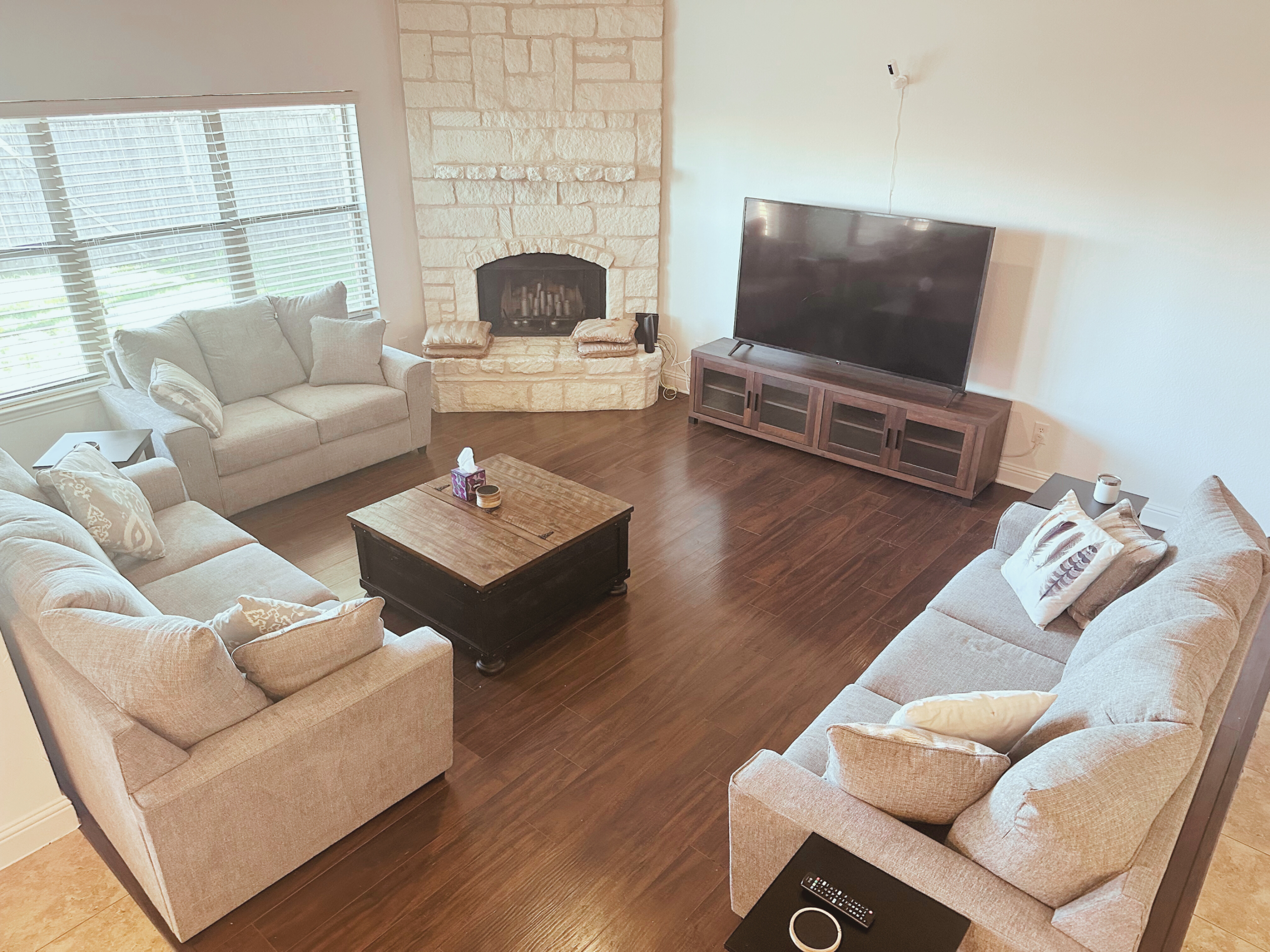
Also, take a peek at the common areas. Are they clean, welcoming, and conducive to community? Or do they resemble the inside of a college fraternity house? Your surroundings influence your daily life, so make sure they reflect your goals for personal growth and long-term recovery.
What About Medical or Mental Health Needs?
Not everyone leaves a rehab program wrapped up like a perfect little burrito of sobriety. Some folks are managing co-occurring conditions like depression, anxiety, or trauma. Suppose that’s you (or your person). In that case, you’ll want to make sure your sober living house offers access to mental health treatment or can coordinate care with local treatment facilities and medical professionals.
Substance use disorders often travel in packs with mental health disorders, and if you’re only treating one side of the coin, you’re setting yourself up for relapse. Many sober living communities integrate clinical services, medication management, or have relationships with nearby outpatient programs and psychiatric hospitals to offer the full wraparound.
This is where professional medical advice is worth its weight in gold; don’t skip it.
Location, Location… and Also Grocery Stores
Where the house is located matters more than you think. A sober living facility that’s 45 minutes from civilization might look peaceful. Still, if the nearest grocery store, bus stop, or support meeting is a considerable distance away, you might find yourself isolated and frustrated.
Being close to public transportation, work opportunities, community centers, or a local recovery hub makes a world of difference. And hey, even just having easy access to decent coffee and a supportive gym can help. Every day life should be manageable, not a constant struggle.
Look for sober homes in neighborhoods that feel safe, have walkable areas, and don’t double as party hotspots on weekends. (No offense, downtown.)
The Elephant in the Room: How Much Does Sober Living Cost?
Ah, yes, the cost of sober living. Always the million-dollar question, sometimes literally. Pricing can range from a few hundred bucks a month (especially in Oxford Houses) to several thousand for luxury recovery residences with on-site therapists, private chefs, and towel origami.
But here’s the thing: additional costs add up. Utilities, groceries, transportation, and personal expenses should be factored into the budget. Ask upfront about any hidden fees, such as “community fees” or “activity deposits,” that may or may not include Tuesday yoga.
Some homes work with insurance plans or offer scale fees depending on your income. Others are strictly private pay. And while most health insurance providers won’t cover sober living per se, you might be able to get reimbursement for any medical care or clinical services you receive through affiliated programs.
Always ask, always clarify. Your sobriety is priceless—but your budget isn’t.
The Length of Stay: How Long Should You Stick Around?
There’s no magic number, but the phrase “longer stay leads to long-term sobriety” isn’t just a slogan—real data support it. Most recovery professionals recommend staying in sober housing for at least six months, if not a full year. Why? Because you need time to rebuild.
A longer length of stay provides you with the opportunity to develop life skills, stabilize mentally and emotionally, and build a supportive community.
Rushing out too soon is like pulling a cake out of the oven halfway through and wondering why it’s a gooey mess. Let yourself bake, friend.
Trust the Process, but Verify the Vibe
Last but not least, don’t ignore your gut. When you visit a house, how does it feel? Welcoming? Awkward? Like an episode of Real Housewives? Look past the brochures and listen to how the sober lifestyle is lived on-site.
Talk to current residents. Ask them about daily life, routines, conflict resolution, and how the recovery process is supported. If everyone looks like they just finished crying or like they haven’t seen a support group in weeks, maybe keep looking.
And if the place is affiliated with organizations like the National Alliance for Recovery Residences, that’s even better. It shows a commitment to standards, ethics, and quality care.
The Right Support Is Out There
Choosing the right sober living home isn’t about finding perfection; it’s about finding a place that matches your goals, meets your individual needs, and gives you the right support for the next phase of your healing. Whether you need a highly structured or more community-based environment, there’s a sober living environment designed for you.
Because the truth is, addiction recovery doesn’t happen in a vacuum. It happens in late-night talks on the porch, shared meals in the kitchen, and early morning rides to work. It occurs in houses that believe in second chances, strict but fair house rules, and a fridge that’s hopefully not just stocked with LaCroix and sadness.
So take your time. Do your research. Visit multiple recovery homes. Ask too many questions. Because when you find the right home, everything else starts to fall into place.
And who knows? Maybe one day you’ll be the one welcoming the next guy in and reminding him not to leave the spaghetti on high.